
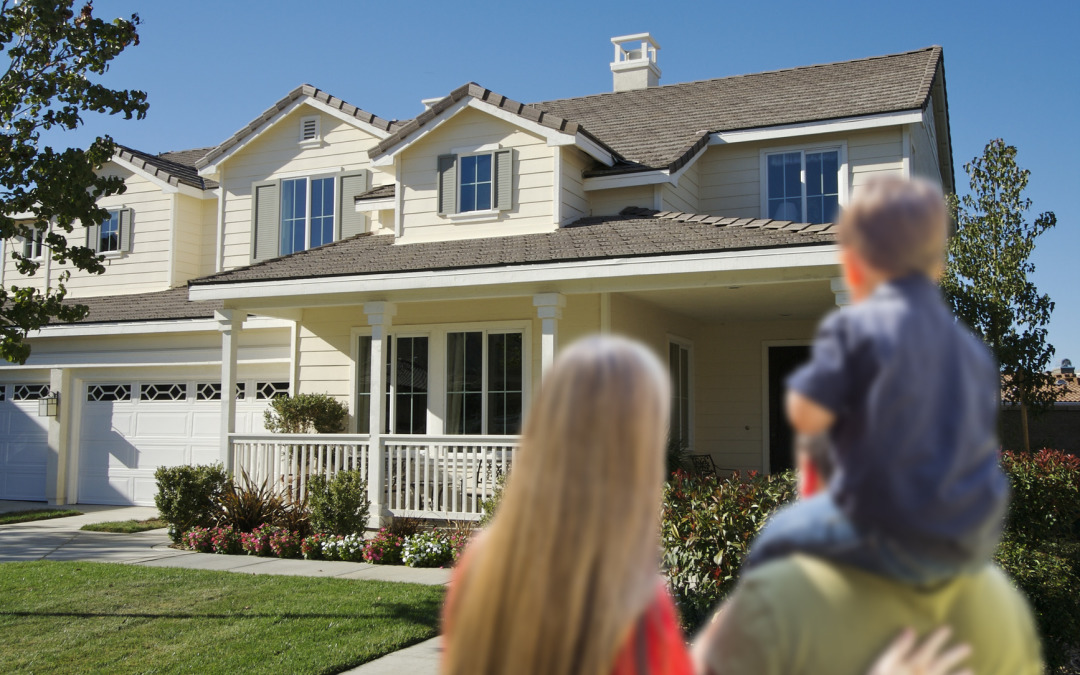
Get ready for your open house—stress-free—by starting early and breaking down your to-do list into manageable chunks. Use this timeline of 35 tips and your house will stand out from the competition on open house day.
Four weeks before the open house
- Ask your parents to babysit the kids the weekend of the open house. Then book a reservation for your pet with the dog sitter or at the kennel. Having everyone out of the house on the day of will help you keep your home tidy and smelling fresh. Plus, no dogs and no kids equal more time for last-minute prep.
- Line up a contractor to take care of maintence issues your REALTOR® has asked you to fix, like leaking faucets, sagging gutters, or dings in the walls.
- De-clutter every room (even if you already de-cluttered once before). Don’t hide your stuff in the closet—buyers will open doors to size up closet space. Store your off-season clothes, sports equipment, and toys somewhere else.
- Book carpet cleaners for a few days before the open house and a house cleaning service for the day before. Otherwise, make sure to leave time to do these things yourself a couple of days before.
Three weeks before the open house
- Buy fluffy white towels to create a spa-like feel in the bathrooms.
- Buy a front door mat to give a good first impression.
- Designate a shoebox for each bathroom to stow away personal items the day of the open house.
Two weeks before the open house
- Clean the light fixtures, ceiling fans, light switches, and around door knobs. A spic-and-span house makes buyers feel like they can move right in.
- Power-wash the house, deck, sidewalk, and driveway.
One week before the open house
- Make sure potential buyers can get up close and personal with your furnace, air-conditioning unit, and appliances. They’ll want to read any maintenance and manufacturer’s stickers to see how old everything is.
- Clean the inside of appliances and de-clutter kitchen cabinets and drawers and the pantry. Buyers will open cabinet doors and drawers. If yours are stuffed to the gills, buyers will think your kitchen lacks enough storage space.
- Put out the new door mat to break it in. It’ll look nice, but not too obviously new for the open house.
Week of the open house
- Buy ready-made cookie dough and disposable aluminum cookie sheets so you don’t have to take time for clean up after baking (you can recycle the pans after use). Nothing says “home” like the smell of freshly baked cookies.
- Buy a bag of apples or lemons to display in a pretty bowl.
- Let your REALTOR® know if you’re running low on sales brochures explaining the features of your house.
- Clean the windows to let in the most light possible.
- Mow the lawn two days before the open house. Mowing the morning of the open house can peeve house hunters with allergies.
Day before the open house
- Make sure your REALTOR® puts up plenty of open-house signs pointing in the right direction and located where drivers will see them. If she can’t get to it on the Friday before a Sunday open house, offer to do it yourself.
- Put away yard clutter like hoses, toys, or pet water bowls.
- Lay fresh logs in the fireplace.
Day of the open house
- Put checkbooks, kids’ piggybanks, jewelry, prescription drugs, bank statements, and other valuables in the trunk of your car, at a neighbor’s house, or in your safe. It’s rare, but thefts do happen at open houses.
- Set the dining room table for a special-occasion dinner. In the backyard, uncover the barbeque and set the patio table for a picnic to show buyers how elegantly and simply they can entertain once they move in.
- Check any play equipment for spider webs or insect invasions. A kid screaming about spiders won’t endear buyers to your home.
- Clean the fingerprints off the storm door. First impressions count.
- Put up Post-It notes around the house to highlight great features like tilt-in windows or a recently updated appliance.
- Remove shampoo, soap, toothbrushes, and other personal items from the bathtub, shower, and sinks in all the bathrooms. Store them in a shoebox under the sink. Removing personal items makes it easier for buyers to see themselves living in your house.
- Stow away all kitchen countertop appliances.
One hour before the open house
- Bake the ready-to-bake cookies you bought earlier this week. Put them on a nice platter for your open house guests to eat with a note that says: “Help yourself!”
- Hang the new towels in the bathrooms.
- Put your bowl of apples or lemons on the kitchen table or bar counter.
- Pick up and put away any throw rugs, like the bath mats. They’re a trip hazard.
15 minutes before the open house
- Open all the curtains and blinds and turn on the lights in the house. Buyers like bright homes.
- Light fireplace logs (if it’s winter).
- Didn’t get those cookies baked? Brew a pot of coffee to make the house smell inviting.
During the open house
Get out of the house and let your REALTOR® sell it! Potential buyers will be uncomfortable discussing your home if you’re loitering during the open house. Take advantage of your child- and pet-free hours by treating yourself to something you enjoy–a few extra hours at the gym, a trip to the bookstore, or a manicure.
Dona DeZube has been writing about real estate for over two decades. She lives a suburban Baltimore 1970s rancher on a 3-acre lot shared with possums, raccoons, foxes, a herd of deer, and her blue-tick hound.