Are Electronic Door Locks Safe?

Are Electronic Door Locks Safe?

Here’s a look at the latest high-tech locks and some advice on whether they’re the best option for you.

High-tech locks — fingerprint, Bluetooth, and Wi-Fi enabled systems — are transforming the way you enter your home, threatening to make house keys as obsolete as rotary phones.

But do these easy-access locks make your home more secure? Do they add value? Or will next week’s bright idea make these fancy entry systems passé before you pay them off?

Are You Tech-Savvy?

Keyless locks are great for tech-savvy homeowners, says Marianna Perry, a former director of the National Crime Prevention Institute. But the latest isn’t the greatest for someone who struggles to keep up with each “smart” gizmo that comes down the pike. If you still can’t program your DVR to record “Downton Abbey,” keyless locks probably aren’t for you.

“The lock needs to fit the user,” Perry says.

The Latest Locks

Biometric: Locks that recognize your fingerprints and open with a swipe of your finger. ($280-$340)

Key fob (proximity lock): Carry a fob in your pocket, and these locks open automatically or with a simple tap; or press the fob button and unlock the door as soon as you pull into the driveway. ($220)

Smart phone-controlled:
Your smart phone syncs with your lock via Bluetooth, enabling you to control entrance remotely and keep track of who comes and goes. Some locks recognize your phone and open automatically as you approach. Some will text you when someone else opens the door. ($200)

Surveillance lock: Combines easy access with surveillance and takes a picture of whoever opens your door. You can program codes for specific people, and the lock will offer a warm LED greeting when they arrive. ($280)

Related: Biometric Locks: Even the Jetsons Would Be In Awe
Keyless Locks Add Marketability

“It’s a sales tool,” says Robert Siciliano, a security expert for Schlage locks. Siciliano’s home is outfitted with a touchpad lock that glows blue and can be activated via cellphone.

“The first thing people see when they walk to my door is that touchpad, and they want to know all about it,” Siciliano says. “It’s an attention-getter.”

Do High-Tech Locks Make Your House More Secure?

Not much.

Burglars mostly enter your home through an unlocked door or by forcing open a window or door. In fact, criminals admit that security systems with camera surveillance — not locks (smart or otherwise) — are the biggest deterrent against burglaries.

“Burglars are criminals of opportunity,” says Glen Mowrey, a retired North Carolina deputy police chief. “They’re looking for the least resistance.”

A biometric deadbolt lock, which scans fingerprints, can cost $300 and be less secure than “Consumer Reports'” top-rated Medeco Maxum 11WC60L, a regular keyed lock that costs $190. In CR tests, the Medeco Maxum defied forced entry — the most common type of home break-in — better than the high-tech locks tested.

“Smart locks are more convenient, but not any stronger than regular locks,” says Joey Lachausse of the Associated Locksmiths of America.

In fact, some smart locks are easier to defeat and can be more annoying to use than traditional locks:

  • In testing, a team of British lock hackers easily opened a fingerprint-reading lock by inserting a paperclip into its backup key chamber.
  • During a power outage, some electronic locks fail or disengage, forcing you to use a backup key — but then your system isn’t keyless, is it?
  • Circuit boards that control electronic locks can fail.

Related: 5 Over-the-Top Security Devices
Top Security Tips

1.  Replace hollow-core wood exterior doors with solid wood or steel doors.

2.  Reinforce wood door jambs with additional steel plates, which make the door harder to kick in.

3.  Install strike plates made of heavy-duty metal, and secure them with 3-inch screws.

4.  Replace sidelight glass with shatter-resistant polycarbonate.

5.  Lock doors whenever you leave the house, even for a short time. In fact, lock doors and windows when you’re home, too.


By: Lisa Kaplan Gordon:© Copyright 2015, All rights reserved. Choice One Real Estate

 
The Best Home Maintenance Tool is Right at Your Fingertips

The Best Home Maintenance Tool is Right at Your Fingertips

Published: April 7, 2014

We’ll show you how to supercharge your smartphone’s organizational power to manage home projects with less stress and fewer apps.

With the help of a few common digital tools, you can transform your device into a household control center that simplifies home upkeep.

Boost Your Photographic Memory

Here are better uses for your smartphone camera than selfies.

1.  Take the guesswork out of repair projects.

  • Remember how to put items back together by taking pictures before you take things apart.
  • Need to pick up a few new parts? Take photos of the old components to help you pick the right replacement parts at the store.
  • For repair projects that require a pro, share a picture with your contractor before he gets to the job, so he has a head start and the right tools.

2.  Create photo albums. Use this basic smartphone function to arrange pictures into organized collections for easy reference. Here’s what you can document:

  • Your home’s infrastructure. Take pictures of your home’s wiring, plumbing, and insulation when walls are exposed during renovations and repairs so you’ll know where they are later.
  • Your home’s inventory. Take pictures of your possessions for insurance purposes.
  • Your lighting preferences. Remember the best bulb for each fixture with pictures.
  • Your circuit breakers. Use your camera to document what’s connected to each two-pole (240 volts) and single-pole (120 volt) breaker.
  • All your paint colors. Photograph paint cans and swatches so you remember each color’s name and brand. You can do the same for flooring, tile, and wallpaper.
  • Your home improvements. Build up some bragging rights: Take before, during, and after photos.

Put Free Cloud Storage to Use

Dropbox, Evernote, and Google Drive offer free data storage and will automatically sync across all your devices. Each offers a simple, clean, and efficient way to manage home upkeep. We breakdown the best uses for each app.

Dropbox is like cold storage for photos, documents, and videos you don’t need at your fingertips but want to retrieve easily. Store and share:

  • PDF copies of appliance manuals, which you can often download from manufacturer websites.
  • Filed tax paperwork and back-up documentation.
  • Household records, including warranties and receipts that document repairs.
  • All of your smartphone photos. You can set Dropbox to automatically back up your images. It’s a great way to save home improvement ideas and products you find while on the go.
  • All the screenshots you take while surfing the web on your computer. You can set Dropbox to automatically back up these image files. This is great way to store and share remodeling ideas and repair tips found online.

Evernote. Great for boosting your organization factor. Create folders (Evernote calls them notebooks) with detailed project information. Store and share:

  • Home improvement ideas. Share notes with text, photos, recorded audio, and attachments
  • Project expenses. Take photos of receipts and save them as searchable PDFs. Evernote scans the information so you can easily find them using merchant name, dollar amount, or date. You can even add your own tags for search purposes.

Google Drive. Great for basic organization and scheduling, it also allows users to collaborate on documents in real time. Create and share:

  • Remodeling and repair budget spreadsheets with family members and contractors.
  • Home maintenance schedules to stay on top of seasonal upkeep.
  • A digital home emergency kit, which can include maps downloaded from Google, personal documents like IDs and birth certificates, and a list of areas where family members can meet.

What About Data Security?

Dropbox, Evernote, and Google Drive each use encryption standards to keep data stored on their servers safe from prying eyes. To learn more, check each site’s privacy policy and terms of use.

Each company also offers two-step account verification — usually including a special code sent to your phone — to keep bad guys out of your account. It’s not setup automatically; you have to enable it. To learn more visit:

  • Google Drive
  • Dropbox
  • Evernote

Go a step further with data protection by taking advantage of the built-in hardware encryption that comes with smartphones. It turns stored data into unreadable gobbledygook that can only be unscrambled with a password. Visit your phone provider’s website for instructions.


By: Deirdre Sullivan:© Copyright 2015 NATIONAL ASSOCIATION OF REALTORS®


How Much Do You Love Your Home? Enough to Turn Down a Million Dollars?

How Much Do You Love Your Home? Enough to Turn Down a Million Dollars?

Published: May 13, 2014

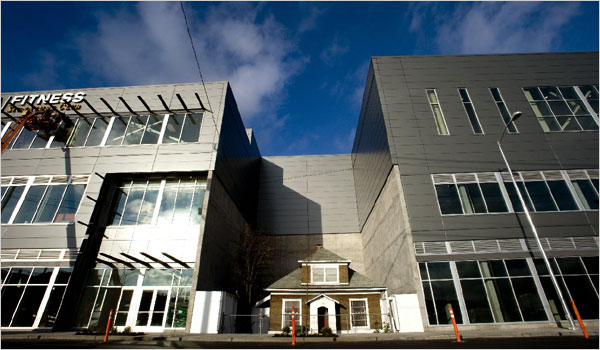
Do you love your home as much as Edith Macefield, the 84-year-old Seattle woman whose story is remarkably similar to the plotline in the movie “Up”? She turned down a $1 million offer in 2006, then forced developers to build their five-story shopping mall around her little cottage.

Related: More Real-Life “Up” Houses

Do you love your home as much as my friend Anne Robinson who turned down $5 million for her home and 18-acre lot abutting a 1,000-acre wildlife conservation area in suburban Baltimore?

Robinson chased more than one would-be buyer off her property. Once she literally swept a determined developer out of her house using her broom. Just as determined, she held on to her home until her death, eventually leaving it to the county so it could build a nature center there.

I wish I shared in this sentimentality. I can’t because I’m the mother of a high school junior who keeps finding things to like about very expensive private colleges. If you know a developer who’d pay $1 million for my 3-acre lot and 1970s ranch home, give him my number. I could have my family packed up and out of here by this weekend.

It’s not that I don’t love my home. I do. In fact, I love it more than pretty much anyone I know. But what I really love is homeownership itself and all its possibilities. Being a homeowner has surrounded us with neighbors who became true friends and brought my family financial stability.

My husband and I were serial home renovators for years. We’d buy a fixer-upper and live in it for two or three years, remodeling on the weekends. When the home was updated, we’d rent it out and move on to the next project.

We finally stopped because moving homes, and therefore schools, made our daughter unhappy. Now that she’s a high school junior, Hubby and I are discussing where we’ll move when she leaves for college.

She, meanwhile, is going all Anne Robinson on us. She tells us we can’t move because she needs to be able to come home to this house for at least five more years. My argument that home is any place the people you love are living doesn’t fly with her.

I think most people tilt toward Anne on the home-love scale. Selling the home would mean walking away from a place with treasured memories of raising their children, or even of their own childhood.

I actually still own my childhood home, a townhouse, which I inherited. Now, I rent it out. It’s just a few minutes from where we live. Hubby and I might just end up moving there after Emily leaves for school. After all, we loved that house and those neighbors, too.

What about you? How much do you love your home?


By: Dona DeZube:© Copyright 2015 NATIONAL ASSOCIATION OF REALTORS®

Picture from: New York Times

When’s the Best Time to Plant Trees?

When’s the Best Time to Plant Trees?

Published: August 15, 2014

Plant trees at the right time and they’re more likely to thrive. Here’s when to plant so you get the most value from your landscaping investment.

Trees are big-ticket landscape items that not only cost a lot, but add a lot of value to your home, too — by some estimates a mature tree adds nearly $10,000 in value to your property.

So it’s important to plant trees when they’re most likely to survive.

When’s the Best Time to Plant Trees?

Here’s the short answer: Plant trees when they have enough time to establish roots before they’re exposed to stressors like high heat, low temperatures, or not enough water.

Nicholas Staddon of Monrovia, a plant seller, says late summer/early fall is the best time to plant in most parts of the U.S. — zones 4 to 8.

“During the winter months in many parts of the U.S., roots are still active,” Staddon says. “The tree starts to acclimatize itself to your soil. So in the spring, it bursts forth with leaves and flowers.”

Of course, trees have different needs, and areas have different climates. So, we’re breaking down best planting times according to climates and types of trees.

When to Plant Trees in Cold Climates

The window of opportunity to plant trees in colder climates — zones 1 to 3 — is relatively short. You can’t dig until the ground has warmed, and you’ve got only a few months to plant before the ground freezes again.

Early spring, just as the ground thaws, is the best time plant. Fall can be too late, because trees won’t be able to survive the freezing temperatures that can damage roots and stop moisture from reaching the tree.

When to Plant Trees in Warm Climates

Fall’s the best time to plant in the deep South — zones 9 and 10.

  • After the first frosts, trees become dormant and require less food through young roots.
  • Tree carbohydrates can go directly toward root growth, rather than canopy growth.
  • Mild winters give trees enough growing time to establish root systems that will survive in hot summers.

Make sure you keep young trees well-watered through dry winters.

Types of Trees and When to Plant Them

Bare root trees: These trees are dug from the ground when they are dormant, stored in some moist medium, then shipped bare of soil. Because these roots are naked, plant these trees in spring when they won’t suffer winter injuries. But more important, plant these trees when you get them; the trick is to order correctly so they’ll arrive when they have the best chance to survive.

Container trees: These trees have been grown in pots or burlap wrapping, and have roots covered in soil. They’re not as delicate as bare root trees, so timing is not quite as important. Plant whenever your tree will have a couple of months to establish roots before extreme temperatures — hot or cold — will stress it.

Deciduous trees: Deciduous trees make the decision easy, because they tell you when they’re going dormant by dropping their leaves. Plant in fall, and keep them well-watered even through winter.

Evergreens: Plant these early fall or late spring — just about any time that doesn’t see extreme heat.

Conifers: These cone-bearing trees are particularly susceptible to cold weather because their needles lose moisture all winter even though the tree is sleeping. If you live in a climate where frozen soil prevents water from getting to conifer roots, plant in spring.

Transplants: Transplant trees in spring after the ground has warmed and before the tree sets buds, or in fall after leaves have fallen and before the ground freezes. Younger trees will endure transplanting better than mature trees, which don’t like the shock.

Related: Best Trees To Grow Curb Appeal


By: Lisa Kaplan Gordon:© Copyright 2015 NATIONAL ASSOCIATION OF REALTORS®


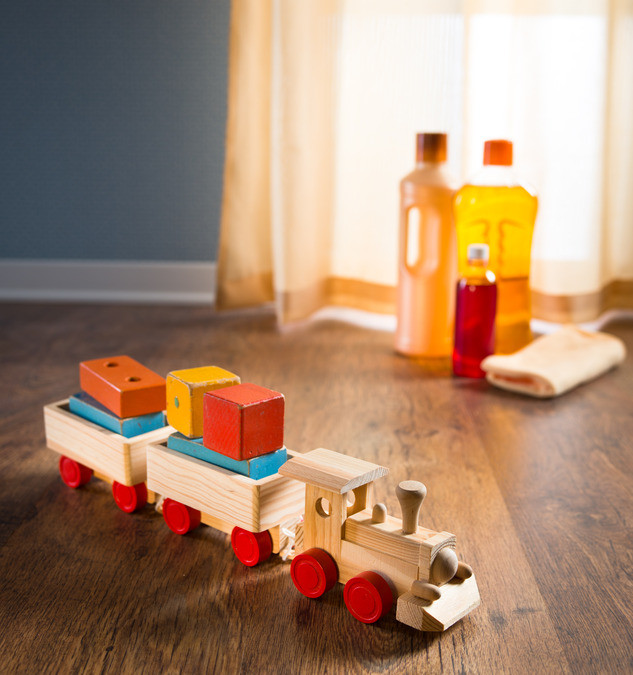
Guide to Hardwood Floor Finishes

Guide to Hardwood Floor Finishes

We’re not going out on a limb when we say hardwood floors are one of the most popular, value-adding features in your home. Homebuyers love ‘em.

But hardwood floors need regular maintenance and refinishing to keep them looking spiffy.

How much wear and tear your floors get determines how often you need to refinish them and what product you use. A household with just two adults might only have to refinish every 10 years; a home with adults, kids, and a dog might need to refinish every three to four years.

There are a lot of finishes out there. Use our at-a-glance guide below to choose the one that’s right for your home. We also help you decide if you want to refinish floors yourself.

Wax

Pros Cons
Easy to apply Not as durable as poly finishes
Low luster Susceptible to stains
Penetrates into wood Needs regular upkeep (refinishing)
Mild odor Must be completely removed before applying a polyurethane finish

Wax is the time-tested, old-fashioned way to refinish wood floors and was routinely used before polyurethanes became available in the 1970s. Both paste and liquid versions are making a comeback with homeowners who want a mellow, low-sheen look, and with those who prefer to use natural products with low VOCs and toxicity.

It’s applied by hand working small areas at a time, which makes it DIY-friendly (but labor-intensive). It’s also easy to touch up a wax finish, so ongoing maintenance is simple.

If you don’t want to darken your wood (which wax tends to do), first apply a base coat of shellac or sanding sealer that penetrates and seals the wood. Two to three coats of wax are recommended.

Especially good for: antique flooring in historic homes

Cost: $10 to $25 per 1 pound covers 400 to 500 square feet

Water-Based Polyurethane

Pros Cons
Fast drying time (2 to 4 hours between coats) More expensive than oil poly
Low odor; low VOCs Less tough than oil poly
Doesn’t yellow like oil polys
Easy to apply; good for DIYers

Polyurethanes are today’s standard floor finish. Water-based varieties used to have a reputation for being eco-friendly (still true) but not as durable as regular polys. However, today’s water-based polys are nearly as tough as their oil-based cousins.

One difference is final color: Water-based polys dry clear; oil-based polys have a slight amber tint.

Water-based polyurethane has very low VOC content and is easy for a DIYer to apply. Three to four coats are recommended. You can use a water-based polyurethane over an oil-based poly as long as the old finish has completely cured (two to three weeks).

Especially good for: eco-conscious DIYers

Cost: $40 to $60 per gallon covers 400 to 500 square feet

Oil-Based Polyurethane

Pros Cons
Less expensive than water-based poly Long drying time (8 to 10 hours between coats)
Extremely tough High odor during application; high VOCs
Easy to apply Gets yellow with age (benefit to some)

Oil-based polys are the mainstay of floor finishing and widely used by professional finishers.

Although they’re tough, long-lasting, and less-expensive than water-based polys, oil-based polys have a higher VOC content and stronger odor during application. A coat takes 8 to 10 hours to dry, so you’ll want to vacate your house until the floor is completely dry — and bring your pets with you. Two to three coats are recommended.

Professional floor refinishers report some problems when using an oil-based poly over a water-based poly. Best advice: Don’t do it.

Especially good for: professionally finished floors at a reasonable price

Cost: $30 to $40 per gallon covers 500 to 600 square feet; it’s $1 to $2 per square foot to have a pro do it.

Acid-Cured (Swedish) Finish

Pros Cons
Extremely hard and durable Difficult to refinish (must use acid-cured finish if used previously)
Fast drying time (2 hours) but up to 60 days to fully cure Volatile odors; high VOCs
More expensive than most finishes Pro-only application

The Cadillac (or Volvo) of floor finishes, acid-cured Swedish finishes are for pro application only. They’re among the toughest of all hardwood flooring finishes, and the most expensive. They’re sometimes called conversion varnish sealers.

Acid-cured finishes have extremely high VOC content; you’ll have to bunk elsewhere for a few days after finishing to give the odors a chance to clear. The finish takes up to 60 days to fully cure, but you can walk on it after three days. Keep furniture off for two weeks, and rugs off for the full 60 days so the fibers don’t stick.

Especially good for: high-end homes with flooring made from exotic woods and floors with elaborate inlay designs

Cost: $3.75 to $5 per square foot professionally applied

Moisture-Cured Urethane

Pros Cons
Extremely durable (one of the hardest) Extremely high VOCs (fumes may last for weeks)
Expensive Pro-only application
Fast drying time allows for multiple coats per day Low humidity extends drying time

This is a durable finish that’s a step up in toughness and longevity from water- and oil-based polyurethane. It’s tricky to apply and isn’t recommended for DIY — it dries very fast, so speed and a deft touch are needed to avoid lap marks.

It has a high VOC content, making a respirator and good ventilation a must during application. Homeowners and pets should vacate the house during application and for up to two weeks afterward.

Especially good for: high-traffic areas and homes with multiple kids and dogs

Cost: $2 to $4 per square foot professionally applied

Penetrating Oil Sealer

Pros Cons
Easy for DIYers to apply Not as durable as a poly finish
Non-toxic ingredients Should be reapplied every 2 to 3 years
Mild odor
Mellow sheen

Oil sealers have been used for centuries to protect and moisture-proof wood. They’re easy to apply, and spot touch-ups are a snap. Because it penetrates the wood, an oil sealer enhances grain patterns and deepens the color of the wood. The finish itself doesn’t scratch, but recoating usually is needed every two to three years as the finish wears down.

The basic ingredient is tung oil, a naturally occurring, low-VOC oil that hardens as it dries. It needs long drying times between coats (24 to 48 hours), so finishing a floor with the recommended three coats can take several days.

Especially good for: historic homes with antique flooring; DIYers

Cost: $60 to $70 per gallon covers 500 square feet

Aluminum Oxide

Pros Cons
Extermely hard and durable (25 years) Only available with prefinished flooring
Difficult to refinish
After 25 years, you might have to replace the flooring

This super-tough finish only comes on prefinished wood planks. You won’t apply it yourself, but you’ll need to know it’s there if you ever decide to refinish it. It requires special refinishing techniques, like sanding with milder grits before using heavier grits. Your floor refinisher can determine if your flooring is covered with an aluminum oxide coating.

Shellac

Pros Cons
Easy to work with Not very durable
Few harmful VOCs Most shellac contains wax — refinishing with modern products isn’t possible
Inexpensive Must be recoated periodically
Easy spot repairs

Polyurethane floor products have surpassed the usefulness of this time-honored wood finish. Houses built before 1970 may have hardwood floors finished with shellac, and you can maintain and refinish them with another coating of shellac. It’s not compatible with more modern finishes, such as polyurethane, so only refinish shellac with wax or another coating of shellac.

Test for shellac by dribbling a few drops of water on an inconspicuous spot. If the finish turns milky white, it’s shellac.

Shellac is a natural product that’s non-toxic and produces few VOCs. It’s not as tough and durable as polyurethanes, and is susceptible to stains from water and other spills. However, it’s easy to repair scratched areas by rubbing out the scratches with denatured alcohol, then reapplying shellac.

Shellac pairs well with wax. Use shellac as a base coat, and finish with two or three coats of hand-rubbed wax.

Especially good for: refinishing antique floors already coated with shellac

Cost: $80 to $90 per gallon covers 300 square feet

Two Options for Refinishing

Does your floor need a touch-up or an overhaul?

1.  For surface scratches and normal wear and tear, lightly sand the finish (called screening) and apply a new topcoat. You’ll want to use the same type of finish product that was on your flooring originally.

2.  For more damaged flooring, you’ll want to completely sand the old finish off down to the bare wood. Once you’ve done that, you can apply any finish.

Related: Ideas for Great-Looking, Low-Maintenance DIY Floors

 

By: John Riha:© Copyright 2015 NATIONAL ASSOCIATION OF REALTORS®


The owner of this website has made a commitment to accessibility and inclusion, please report any problems that you encounter using the contact form on this website. This site uses the WP ADA Compliance Check plugin to enhance accessibility.