
7 Steps to a Stress-Free Home Closing

7 Steps to a Stress-Free Home Closing

Simple Steps to a Stress Free Home Closing

This cheat sheet helps you do your homework, so you know what you’re signing when you close the sale of your home.

You’ve already cleared several hurdles by finding the right home, negotiating the best price, and getting approved for a mortgage. The last obstacle on your homebuying track is the closing, which can be both tedious and tense. By knowing what to expect and doing some legwork, you can smoothly put your closing behind you. These seven steps will guide you.

1.  Set a Closing Date

Ask your title company to set a closing date and time that meshes with the end of your lease or the sale of your existing home. Don’t want to skip work? Ask for an evening or weekend closing. Tight on cash? Schedule your closing for the end of the month. That’s when you’ll pay the least amount of interest at the closing table.

2.  Gather Your Funds

Buyers usually have to bring money to the closing. Ask the title company what forms of payment it accepts. Chances are you can’t use a personal check.

If you have to move money into your bank account to pay your closing costs, do so a week ahead to avoid last-minute problems. If the title company requires the funds in the form of a cashier’s check, stop by the bank a few days before closing to pick it up.

3.  Purchase Title Insurance

If you’re getting a mortgage, you have to buy a title insurance policy. Think it protects you against problems with the title of your home? Nope, it protects the lender in case the sellers really didn’t own the home or someone else had a claim on it.

To cover yourself, you can buy an owner’s title policy from the same insurance company that sells you the lender’s title policy. Or, shop online at Closing.com, EasyTitleQuote.com, or FreeTitleQuote.com. An owner’s title policy insures you against losses from fraudulent claims against your ownership and errors in earlier sales. In some areas, sellers traditionally pay for the buyer’s title policy.

Whether or not you get the owner’s policy, if you buy a title policy from the same company that issued the prior owner’s title insurance, you can ask for a reissue discount or “bring-down” rate. There’s a discount because the title company only has to check the records filed since that prior owner bought the home, not since the dawn of time.

4.  Line Up Homeowners Insurance

Get quotes and compare policies to be sure coverage will start by your closing date. An annual policy should run $500 to $1,000, depending on your home’s size, age, and amenities. To get a lower premium, opt for a high deductible or buy your homeowners insurance from the same company that insures your car.

If you live in an area where natural disasters occur, like earthquakes, floods, or hurricanes, you’ll need separate insurance to protect your home from those hazards.

5. Review Your Good Faith Estimate and HUD-1 Settlement Sheet

Your lender already gave you a Good Faith Estimate (GFE) that showed your estimated closing fees. Some of the fees on your GFE can’t change and others can rise by 10%. Before you go to the closing, compare the numbers on your GFE with the numbers on your HUD-1 settlement statement. Question your loan officer about any fees that increased.

6.  Do a Walk-Through

Schedule an appointment to walk through the home one last time just before your closing.

  • Make sure repairs you requested have been made.
  • Look for major changes since you last viewed the property.
  • See if the sellers left everything they promised to leave.
  • Check to see that the sellers took all their personal belongings.
  • Test electronics and appliances to ensure they’re still working.
  • Turn on the HVAC and hot water. Are they functioning right?
  • Walk the yard to be sure no plants or shrubs have been removed.

7.  Resolve Issues Identified in Your Walk-Through

If your walk-through uncovers problems:

1.  Delay the closing until the seller corrects them (if your state allows it). But that’s often not feasible because your lease is probably over and you’ve already scheduled movers.

2.  Negotiate a discount to your sales price to cover the cost of the work needed. If the air conditioning is on the fritz and a contractor says the repair will cost $500, ask that the sales price be reduced by that amount. If you make that request at closing, however, be ready for a delay while the title company redoes the paperwork.

3.  Have the title company hold a portion of the seller’s proceeds in escrow until the dispute is resolved. Once that happens, the funds will be released to you or the seller, depending on the outcome.

Related:

  • Do You Have the Right Amount of Homeowners Insurance?
  • Do You Need an Umbrella Policy?

Sources: G. M. Filisko, © Copyright 2014 NATIONAL ASSOCIATION OF REALTORS®


10 Green Facts to Test Your Eco-Smarts

10 Green Facts to Test Your Eco-Smarts

Green or Not?

Can you separate the green facts from fiction when it comes to eco-friendly claims? We give our verdict on 10 home products and practices. What’s yours?

Gray is the new green: Just because something is marketed as green or offers green benefits doesn’t mean that there aren’t other factors that temper its green-ness. It’s up to you to decide what level of green you’re comfortable with based on energy efficiency, manufacturing processes, health concerns, safe disposal, and payback — a swoon-worthy mix of variables.

To help you out, we did some research and found that some things can be judged reliably green — and worth your investment of time and money. For the other gray stuff, we provide our point of view so you can make the smart decision for you.

1. Buying a product labeled “organic”

The U.S. Department of Agriculture regulates the term “organic,” so it can’t be used simply as a marketing ploy. Organic products must be “produced without antibiotics, hormones, pesticides, irradiation, or bioengineering.”

More: 6 Green Terms: Which Ones Can You Trust?
HouseLogic Verdict: Green

What’s your verdict?


2. Buying a product labeled “natural”

This term isn’t regulated at all, so proceed cautiously. There’s no denying that artificial chemicals can cause health and environmental problems. But so can natural ones, like ammonia. Don’t assume natural is a synonym for earth-friendly, hypoallergenic, or good for you without doing your research.

More: 6 Green Terms: Which Ones Can You Trust?

HouseLogic Verdict: Gray

What’s your verdict?

3. Replacing old, drafty windows with new ones

Although new energy-efficient windows can make your house far more comfortable, they won’t make a big dent in your energy use.
Compare the 7% to 15% annual energy bill reduction (around $250 on average, based on the average $2,200 annual energy bill, per Energy Star) with the often five-figure outlay for new windows — not to mention the environmental impact of throwing your old windows and frames into the landfill — and it’s clear you should make this choice based primarily on aesthetics and comfort, not saving money or going green.

Caulking and sealing all penetrations to your home works great, says Suzanne Shelton, CEO of Shelton Group, a marketing agency that specializes in energy efficiency.

HouseLogic Verdict: Gray

What’s your verdict?

4. Installing solar-powered attic fans

At first blush, attic fans seem like a green slam-dunk: Cooling your attic can help reduce the load on your HVAC system, and powering a fan with solar energy is free. Plus, there’s a 30% federal tax credit through 2016 on the purchase and installation costs — at least for fan’s solar panel, says the IRS, not the fan. Also if a manufacturer has officially certified that the equipment qualifies, you can generally rely on that. (It’s wise to keep manufacturer records and consult with your CPA.)

But studies, like one from the Florida Solar Energy Center, show you need two to three fans to make a difference, and at $400+ a pop to purchase and install just one, you’ll struggle to recover your investment through the slight energy bill savings: roughly $40 per year.

HouseLogic Verdict: Gray

What’s your verdict?

5. Installing a geothermal system

You may look at the price tag for a geothermal heating system and dismiss it out of hand: Systems can cost $10,000 to $25,000 and up. But with federal tax credits for geothermal heat pumps until 2016, you can cut your purchase and installation costs by 30% and your energy bills in half.

Plus, you likely won’t need to replace your system as often as you would a typical heat pump, gas furnace, or air conditioner; geothermal systems can last a lifetime and need fewer repairs than other types of heating and cooling systems. They’re underground, sheltered from weather extremes.

HouseLogic Verdict: Green

What’s your verdict?

6. Replacing inefficient incandescent bulbs with CFLs

CFLs are about 75% more efficient than traditional incandescents, but they don’t perform well in enclosed fixtures, especially in humid bathrooms, and disposal is tricky because they contain mercury.

More: Tips for Cleaning up a Broken CFL Bulb

Keep an eye out for LED lightbulb bargains instead. They’re more expensive than CFLs and only marginally more efficient, but they last up to five times as long. Also consider incandescent halogens when CFLs aren’t the greatest choice — they cost more than traditional incandescents, but they use 25% to 30% less energy and can last up to three times as long.

More: It’s Not True! Incandescents Aren’t Banned

HouseLogic Verdict: Gray

What’s your verdict?

7. Throwing away a 20-year-old refrigerator that still works

If your fridge was made before 1993, it’s an energy hog. Replacing it, even if it still works, with an energy-efficient model can save you $100–$200 per year on your energy bills.
By the way, putting that old fridge in the garage and filling it with beer isn’t considered recycling, nor is it reducing your energy bill or your carbon footprint.

You don’t have to toss the old model in the landfill; see if your local utility will come and pick it up for recycling. Many utilities will even pay you a small rebate for it. Check the DSIRE database for info about utility rebates and incentives by area. (DSIRE primarily tracks municipal utilities with more than 30,000 customers.)

HouseLogic Verdict: Green

More: Is an old fridge worth keeping?

What’s your verdict?

8. Using recycled rubber mulch in your garden

Recycled rubber mulch products keep old tires out of the landfill, and mulch is generally a great way to preserve soil moisture and nutrients.
But rubber mulch is less effective at weed prevention than wood or straw mulches and isn’t permanent as advertised. It breaks down like other mulches do. But because it’s made from hazardous petrochemicals, it presents a risk to your soil and groundwater.

HouseLogic Verdict: Gray

What’s your verdict?

9. Installing a tankless water heater

Tankless water heaters are certainly more efficient than conventional water heaters, but thanks to high upfront costs, unpredictable temperature swings (the infamous cold sandwich), and the fact that they’re still an improving technology, the choice isn’t clear-cut.

You’ll save $70–$80 per year on average, but you could eat that in maintenance costs, especially if you have hard water. Consumer Reports noted that not installing a water softener could shorten your warranty.

HouseLogic Verdict: Gray

What’s your verdict?

10. Installing a white roof

If you live in a warm climate — roughly south of Columbus, Ohio (south of 40° latitude) — or in urban areas where asphalt captures heat — you’d be surprised how much changing your roof color could change your energy bills: 20% on average during the cooling season.

If you’re replacing your roof anyway, the small premium you’ll pay for a light-colored, or cool, roof will be more than offset by the energy savings over the lifetime of the roof.

But be sure to check your home owners association rules before installing a new roof. Some HOAs are very particular about aesthetics.

HouseLogic Verdict: Green

What’s your “green” verdict on these products and practices?


Source: Karin Beuerlein © Copyright 2014 NATIONAL ASSOCIATION OF REALTOR


How to Replace Weather Stripping

How to Replace Weather Stripping

Need Help Replacing Weather Stripping?

When weather stripping on doors and windows gets worn out, cold air comes sneaking in. Here’s how to replace weather stripping and stop air leaks.

Weather stripping on windows and doors protects the home from air leaks while increasing comfort and saving energy. But as weather stripping ages, it loses its effectiveness. Stay ahead of the game by checking for worn-out weather stripping and replacing it.

Identifying Worn Weather Stripping

Weather stripping deteriorates due to age, friction, and exposure to the elements. It also can be damaged by people, pets, and pests. At least once each year, inspect your windows and doors to check for air leaks that indicate your weather stripping isn’t doing its job.

  • Self-adhesive foam tape loses its grip over time, causing it to pull away from the door or window frame — or fall off completely. Foam also can lose its resilience, no longer springing up to fill the gap.
  • Rubber and vinyl weather stripping becomes dry, brittle, and cracked. Over time, it can also lose its shape and effectiveness.
  • Spring-metal V-shaped weather stripping bends out of shape, cracks in spots, and comes loose thanks to missing nails.

How to Remove Old Weather Stripping

For peel-and-stick-type weather stripping, simply pull the foam strips off the door or window by hand. Stripping that is fastened in place with nails or screws requires a more tedious process of locating and removing all the fasteners.

Options for New Weather Stripping

There’s no shortage of weather stripping options at hardware stores and home improvement centers. As is often the case, the cheaper and easier the product is to install, the less effective and durable it probably is over time.

Adhesive-backed foam tape is inexpensive — costing less than a buck a foot — and peel-and-stick types are easy as pie to install. It works best where the bottom of a window sash closes against a sill, or a door closes against a doorframe. It’s the compression that produces the seal. Don’t expect this product to survive longer than 3 to 5 years.

V-shaped weather stripping, sometimes called tension-seal weather stripping, is the best option for the side channels of a double-hung window or a tight-fitting door. This product springs open to close gaps and plug leaky windows and doors.

Inexpensive peel-and-stick V-shaped vinyl (as little as $0.50 per foot) is easy to install but won’t last much longer than foam tape. More expensive copper or bronze styles cost as much as $2 per foot and must be nailed into place, but they look better and will last decades.

Tubular rubber or vinyl gaskets prove the most effective for sealing large and irregular gaps, such as around an old door. These hollow tubes are large enough to plug big gaps but soft enough to compress nearly flat. Types that are nailed in place last longer than peel-and-stick varieties. Prices range from less than $1 per foot for peel-and-stick to $1.25 per foot for nail-in-place.

Prepare the Surface

Before installing any new weather stripping, start with a smooth, clean, and dry surface. Remove all old adhesive using an adhesive cleaner and perhaps a light sanding. Fill and sand old nail holes. If old screw holes can’t be reused, fill and sand those as well.

Installation Tips

  • Some peel-and-stick types should only be applied when the temps are at least 50 degrees. Check the product label.
  • Start with one small area to make sure the door or window opens and closes without difficulty before completing the entire job.
  • Measure twice before cutting to prevent mistakes and waste.
  • Cut rubber and vinyl varieties with shears or a utility knife, and metal types with tin snips. Be careful not to bend the thin metal while cutting it.
  • Make sure to face the opening of V-shaped weather stripping out toward the elements to prevent moisture from getting inside.

Installing Weather Stripping

Adhesive-style weather stripping: Remove the backing and press firmly in place. Removing the backing as you go helps prevent the sticky part of the strip from accidentally adhering to something it shouldn’t.

Nail-in weather stripping: Fasten the strips in place by nailing through the pre-punched holes. For double-hung windows, you’ll need to install the lower half, drop the sash, and then install the upper half.


Source: Douglas Trattner, © Copyright 2014 NATIONAL ASSOCIATION OF REALTORS®

10 Tips From a small bath Designer.

10 Tips From a small bath Designer.

10 Tips for Bathroom Renovations

Got a small bathroom to renovate? Go wild with texture and colors if it’s a rarely used guest bath, but stick to clean and simple in a master bath.

That’s the word from designer Jamie Gibbs, who transforms incredibly small New York City bathrooms into beautiful spaces. “I liked being shocked by details in a little space, especially if it’s not going to be used much,” Gibbs says.

His small-bath secrets:

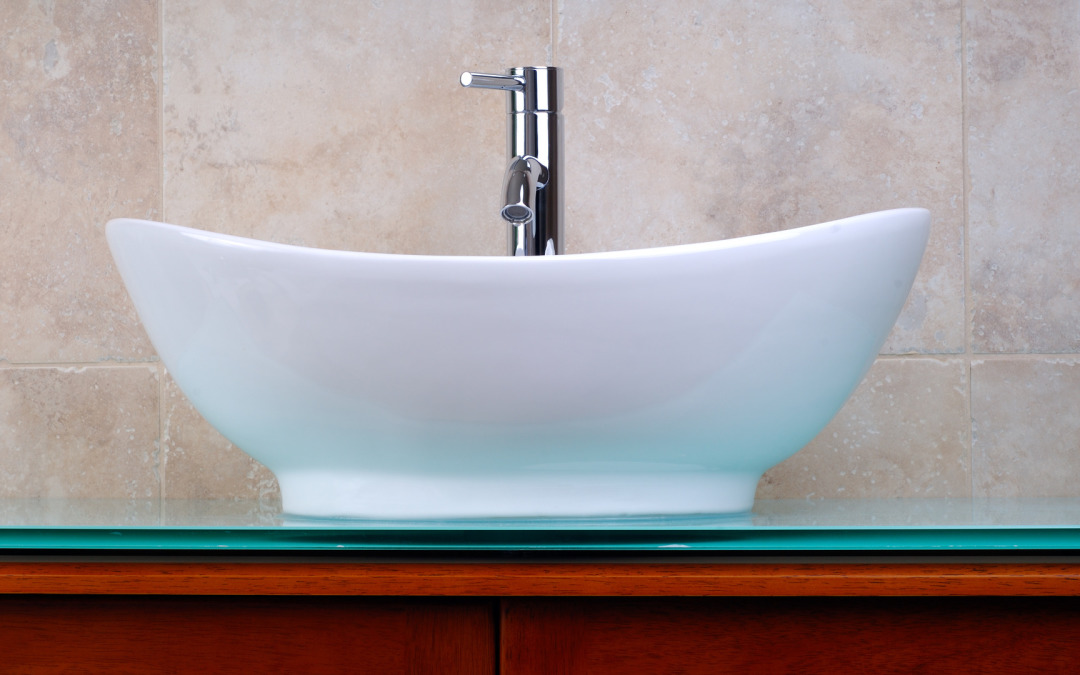
1. Avoid textures in bathrooms that get daily use. In a heavily used bathroom, anything with texture becomes a collection spot for mold, mildew, and toothpaste. Say no to carved vessel sinks or floor tile with indentations.

2. Be careful with no-enclosure showers with drains right in the floor. These Euro showers allow for a feeling of openness, but the average American contractor doesn’t know how to waterproof the floor for them, Gibbs says. The tile seals can be compromised if not installed correctly, causing the materials to decompose, and water to leak underneath.

3. Use opaque windows and skylights to let light filter into all parts of the bath. A long skinny window with frosted glass means you don’t have to burn high-wattage light bulbs. Make sure water condensation will roll off the window into an appropriate place (i.e. not the framing or the wall) to avoid future maintenance issues.

4. Look for fixtures that have a single handle rather than separate hot and cold taps. “Space-saving gearshift faucets are a very good choice in small bathrooms,” says Gibbs. You’ll also save money by not having to drill holes in the countertop for the hot and cold taps.

5. Save space with wall-mounted toilets and bidets, but be aware that the water tank goes into the wall. That’s fine if space is such a premium that you won’t mind going into the wall to make any repairs. But if you share a wall with a neighbor, that’s a different issue.

6. Use a wall-mount faucet to make a reduced-depth vanity work in a small space. “I can get away with a 22” vanity instead of a 24” vanity with a wall mount faucet,” Gibbs says.

7. Check the space between the handles and the faucet of any space-saving fixtures. “If you can only get a toothbrush in it to clean, you’ll save space, but it’s functionally stupid,” Gibbs says. Make sure the sink is functional, too. If you’re using a vessel sink, make sure it’s large enough and not too high. “If it’s too high, you’ll knock it so many times that the fittings will come loose,” Gibbs says.

8. A pedestal sink is all form and no function. “It’s a great-looking sink, but there’s no place to [set] anything,” Gibbs says.

9. Wall-mounted vanities seem like they’re space savers, but they create dead space between the vanity and the floor — a space that often accumulates junk and never gets cleaned.

10. If you’re comfortable with it, go European and put up a glass walls between the bathroom and bedroom to create the illusion of space. Or put bathroom fixtures in the bedroom just outside the bath.

Source: Dona DeZube, © Copyright 2014 NATIONAL ASSOCIATION OF REALTORS®

Green Shopping

Green Shopping

What to Buy?

Buy this, not that. Use this, not that.

But what’s the “that”?

Such is the dilemma facing consumers who want to know the green qualities of products they’re using. Yet few have the time or expertise to do an exhaustive health and environmental analysis of common products on their own.

Thanks to the efforts of a number of groups, consumers can identify quality green goods quickly and easily.

The GoodGuide, for instance, helps people figure out what products to buy and the ones to avoid, whether it’s because something contains dangerous chemicals or was produced in a sweat shop.

The guide features information on 50,000 products, including food, toys, household items and personal care products.

GoodGuide collects data from around the world on chemical ingredients, products, brands, factories, companies and translates that data into easy-to-use ratings of products and companies.

For instance, products get overall scores and scores in health, environment and society categories, and the guide looks at a product’s impact on things like water, air and energy. It also lets people make side-by-side comparisons of favorite brands. For foods, it offers nutritional information too. Those wanting to make quick choices without reviewing the background or doing comparisons can just look at the scores and pick the top-ranked items. In many cases, the distinction among products is obvious. As an example, some laundry detergents score a mere 2.9.

Others get a score of 7.9.

Those with an iPhone have it even easier. They can download GoodGuide’s app and scan a product’s bar code at the store to see its score.

Good Housekeeping also is working to make green shopping easier through the launch of its Green Good Housekeeping Seal (GGHS).

Scientists and engineers at the Good Housekeeping Research Institute (GHRI) worked with Brown & Wilmanns Environmental, a green consultant, as well as other environmental experts, to establish criteria for the GGHS.

GHRI examines an array of variables to assess products’ environmental impact. Factors it considers include water use and energy efficiency in manufacturing, ingredient safety, packaging reduction and the brands’ corporate responsibility.

The first round of products it’s testing are cleaning and beauty products, and GHRI intends to provide evaluations in more than 12 more categories, such as building products, home appliances, consumer electronics, textiles, and children’s products.

The program has dual goals. One is to give consumers a reliable guide to products that are making strides toward being environmentally sound and delivering better health for families and the earth. It also wants to encourage manufacturers to adopt and incorporate more green practices into the composition, production, packaging, distribution, and use of their goods.

Source: Green REsource Council Newsletter, January 2010

The owner of this website has made a commitment to accessibility and inclusion, please report any problems that you encounter using the contact form on this website. This site uses the WP ADA Compliance Check plugin to enhance accessibility.